Top Benefits of Decaf Coffee
It is undeniable that coffee holds a special place in our lives. The comforting ritual and the familiar aroma of fresh brewed coffee are ubiquitous in many cultures – it's no wonder then, that an estimated 1 billion adults globally enjoy it every day. But what about those who desire the coffee experience, but want to cut back on caffeine?
What are the Benefits of Drinking Decaf Coffee?
A fascinating trend is emerging with a growing shift towards decaf options. Decaffeinated coffee offers a tasty solution, but is it simply coffee minus the buzz, or is there more to the story?.
What is Decaf Coffee?
Decaf coffee is regular coffee that has undergone a process to remove most of its caffeine content. While a small amount remains (around 3% or less), decaf is a gentler coffee experience, which maintains the taste and aroma without the intense stimulation of regular coffee.
How is Decaf Coffee Made?
Here are four of the most common ways in which caffeine is extracted from the coffee bean:
1. The Mountain Water Process
The Mountain Water Process or MWP, decaffeinates beans using pure mountain water. Beans are steamed and then soaked in a solution that removes caffeine but preserves flavour. The water is filtered and reused, making it eco-friendly. This chemical-free method creates a rich, delicious decaf coffee as most of the flavour compounds remain intact after the MWP.
2. The Swiss Water Process
This eco-friendly method uses only water to selectively remove caffeine without affecting the coffee's flavour or aroma. Multiple water baths are used, and the saturated caffeine water is discarded. This process is repeated until most of the caffeine is removed. Though similar in many ways to the Mountain Water Process, it does use new water for each wash, and as a result, is more water-intensive.
3. The CO2 Process
The CO2 process is a popular choice for decaffeination because it's thought to be natural, it can preserve the coffee's flavour profile and requires less water to achieve decaffeination. First, coffee beans are soaked in water to allow the caffeine to dissolve. Next, the water-saturated beans are then placed in a pressurised chamber filled with carbon dioxide. The pressurised CO2 attracts the dissolved caffeine from the beans, leaving them decaffeinated. This method is considered natural and can preserve the coffee's flavour profile.
4. The EA Wash Method
This method (sometimes called the sugarcane process) starts by steaming the beans to open up capillaries in the beans, which are then soaked in the solvent ‘ethyl acetate’ (derived from sugar cane). The solvent bonds to the caffeine molecules and the beans are washed out to leave them decaffeinated. While effective, there are potential health concerns surrounding the use of solvents. However, this method has less impact on the final flavour.
The Mountain Water Process: How it Works
The Mountain Water Process (MWP) is a natural decaffeination method. This eco-friendly approach utilises pristine mountain water. First, the green coffee beans undergo analysis to determine the optimal decaffeination settings for that particular batch. They're then steamed to prepare them for the key step: a bath in a specially formulated water solution. This solution draws out the caffeine while leaving behind the desirable flavour compounds, essentially separating the good from the not-so-good. The beauty lies in the water's reusability. After filtering out the extracted caffeine, the water itself is recycled for subsequent batches, minimising waste. Finally, the decaffeinated beans undergo a meticulous drying process over several hours. This water-based approach has several advantages. It eliminates harsh chemicals from the process, and the focus on preserving flavour compounds during extraction translates to a richer, more satisfying coffee experience. So, if you're looking for a decaf coffee that prioritises taste and sustainability, the Mountain Water Process just might win the cup.
How Much Caffeine Does Decaf Contain?
A typical cup of decaf coffee contains around 2mg of caffeine, so compared to 80-100mg in a regular cup, this is unlikely to cause jitters or sleep disruption. An after-dinner coffee is totally on the menu.
The Health Benefits of Decaf Coffee
Are You Drinking Too Much Caffeine?: The Symptoms
Caffeine can have a range of side effects when consumed in excess, including:
- Anxiety
- Insomnia
- Headaches
- Restlessness
- Upset stomach
Who Should Consider Decaf Coffee?
It's always a good idea to air on the side of caution and go easy on caffeine if you are not used to it. For those who experience negative symptoms - maybe decaf coffee is the better choice:
- People sensitive to caffeine: If you experience jitters, anxiety, or difficulty sleeping after consuming regular coffee
- Pregnant or breastfeeding women: While moderate coffee consumption during pregnancy is generally considered safe, some women may prefer to limit caffeine intake because of its potential effects on iron levels
- Those with anxiety: People with anxiety-related disorders, or who are prone to migraines may benefit from reducing their caffeine intake
- Coffee lovers later in the day: Enjoy the taste of coffee without disrupting your sleep with a decaf option later in the day
Thinking of Switching?
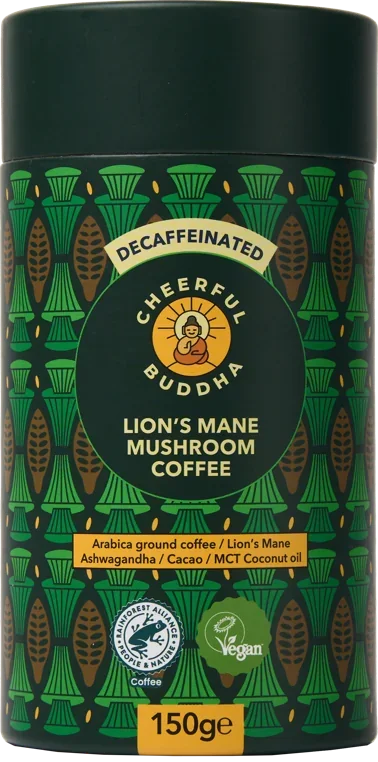
This is the Cheerful Buddha blog after all, so it seems like an opportune moment to let you know about our own decaffeinated coffee option. CB decaf comes in 150g or 1kg bags and you can choose from ground or whole bean. The caffeine is extracted using the Mountain Water Method - which is the most natural process of extraction and uses less water to achieve a great, full-flavoured decaf.
FAQ
Is there any benefit to drinking decaf coffee?
Definitely, decaf offers the taste and aroma of coffee with significantly less caffeine. It may also benefit those with sensitive stomachs and can be enjoyed later in the day without disrupting sleep.
What are the pros and cons of decaf coffee?
Pros:
- Lower caffeine content (reduces anxiety, jitters, and sleep disruption)
- Maybe gentler on the stomach
- Rich in antioxidants
- Can be enjoyed later in the day
Cons:
- May have a slightly weaker taste compared to regular coffee (depending on the bean and decaf process)
- Lower levels of certain nutrients compared to regular coffee (trace amounts)
Is decaf better for your stomach?
For some people, yes. Regular coffee can increase stomach acid production and irritate the digestive system. Decaf, with its lower acidity, might be a better choice for those with sensitive stomachs or conditions like heartburn or acid reflux.
Remember - invest in good quality products that fit your requirements. And, most importantly, consult your doctor if you have any concerns about caffeine intake or if you experience persistent health issues when consuming coffee of all types. It is a powerful superfood - but there are many great alternatives as well.