Reishi Mushroom and Sleep: What to Know
Does reishi mushroom benefit sleep? What reishi is, what the research does and doesn't say, and how to make it part of a calm evening routine.
Sleep is the cornerstone of a healthy life, yet for many, it remains elusive. Tossing and turning, staring at the clock, or waking up feeling unrested can make even the brightest days feel heavy. If you’re searching for a natural way to wind down in the evening, you may have come across Reishi mushrooms.
Here, we’ll explore what reishi mushroom is good for and the question many people ask: does reishi mushroom benefit sleep? We’ll look at what the research does and doesn’t say, and share practical tips for weaving it into your nightly routine.
What causes sleep problems?
Sleep problems, like uninvited guests, show up at the worst times and refuse to leave. The reasons for poor sleep are varied, often combining together and exacerbating the situation.
Stress is a major player, flooding your body with hormones like cortisol that keep you wired when you should be winding down. Cortisol can give an unsettled feeling that your body didn’t ask for, revving up your heart rate and keeping your mind on high alert.
Modern habits also sabotage our sleep. Staring at bright screens late into the night tricks your brain into thinking it’s still daytime, disrupting your circadian rhythm - the internal clock that tells you when to sleep and wake. Late-night snacks, irregular bedtimes, and even a lack of physical activity can throw this rhythm out of sync.
Then there’s anxiety, which can turn your mind into a hamster wheel, spinning with worries just as you try to drift off. Medical conditions, like chronic pain or hormonal imbalances, can further complicate things, making restful sleep feel like a distant dream.
The first step to reclaiming your sleep is to understand why it can happen. Lifestyle changes like cutting screen time or sticking to a bedtime routine can help, and if poor sleep goes on, it’s worth speaking to your GP.
What are Reishi Mushrooms?
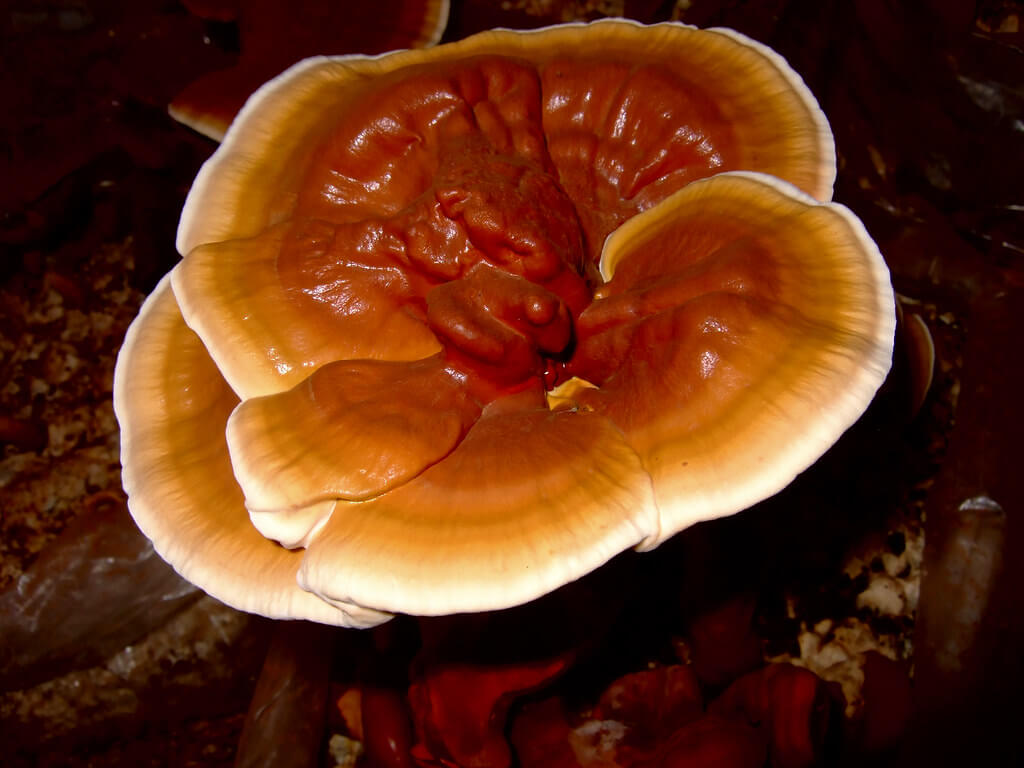
Reishi mushrooms (Ganoderma lucidum), are not your average culinary mushrooms. With a glossy, reddish-brown cap that looks more like a polished piece of wood than something you’d add to a recipe.
Known as “lingzhi” in Chinese, Reishi has been valued in China and Japan for centuries. Unlike button mushrooms, Reishi is tough and bitter, so it’s typically consumed as a powder, capsule, or extract rather than eaten whole. As with all our mushrooms, the Reishi in our drinks is the fruiting body.
What makes Reishi special are its compounds, things called triterpenes and beta-glucan polysaccharides. Reishi is often described as an adaptogen (our guide to adaptogenic coffee explains the word), and in Chinese tradition it has a reputation as a “Shen tonic”.
Research around Reishi Mushrooms and Sleep
The science behind reishi and sleep is ongoing and like an unfolding map, each study adds new information. But it isn’t enough for us to tell you reishi will help you sleep, so we don’t make that claim, and you won’t find us promising faster, longer or deeper sleep.
Incorporating them into a nighttime routine
Creating a bedtime routine is important for long-term sleep success - every step prepares your body to get used to this positive habit.
Start by setting a consistent bedtime and creating a restful environment - dim lights, a cool room, and no screens at least 30 minutes before bed. These habits signal to your brain that it’s time to unwind.
Next, if you’d like to include Reishi, try a cup of something warm and delicious with a little Reishi powder in it. The earthy taste can be softened with a drizzle of honey or a splash of almond milk.
If powders aren’t your thing, Reishi capsules or liquid extracts are convenient alternatives - take it with water as part of your wind-down ritual. Pair this with calming activities like reading, gentle stretching, or a short meditation.
Consistency is key, so it’s good practice to keep your wind-down the same each night. Over time, this ritual can become a comforting signal that sleep is on the way.
Dosage
Figuring out the right Reishi dosage, like for many functional foods, is a case of mindful integration. Unfortunately, there’s no universal dose, as it depends on your age, health, and the form of Reishi you’re using (powder, capsule, or extract).
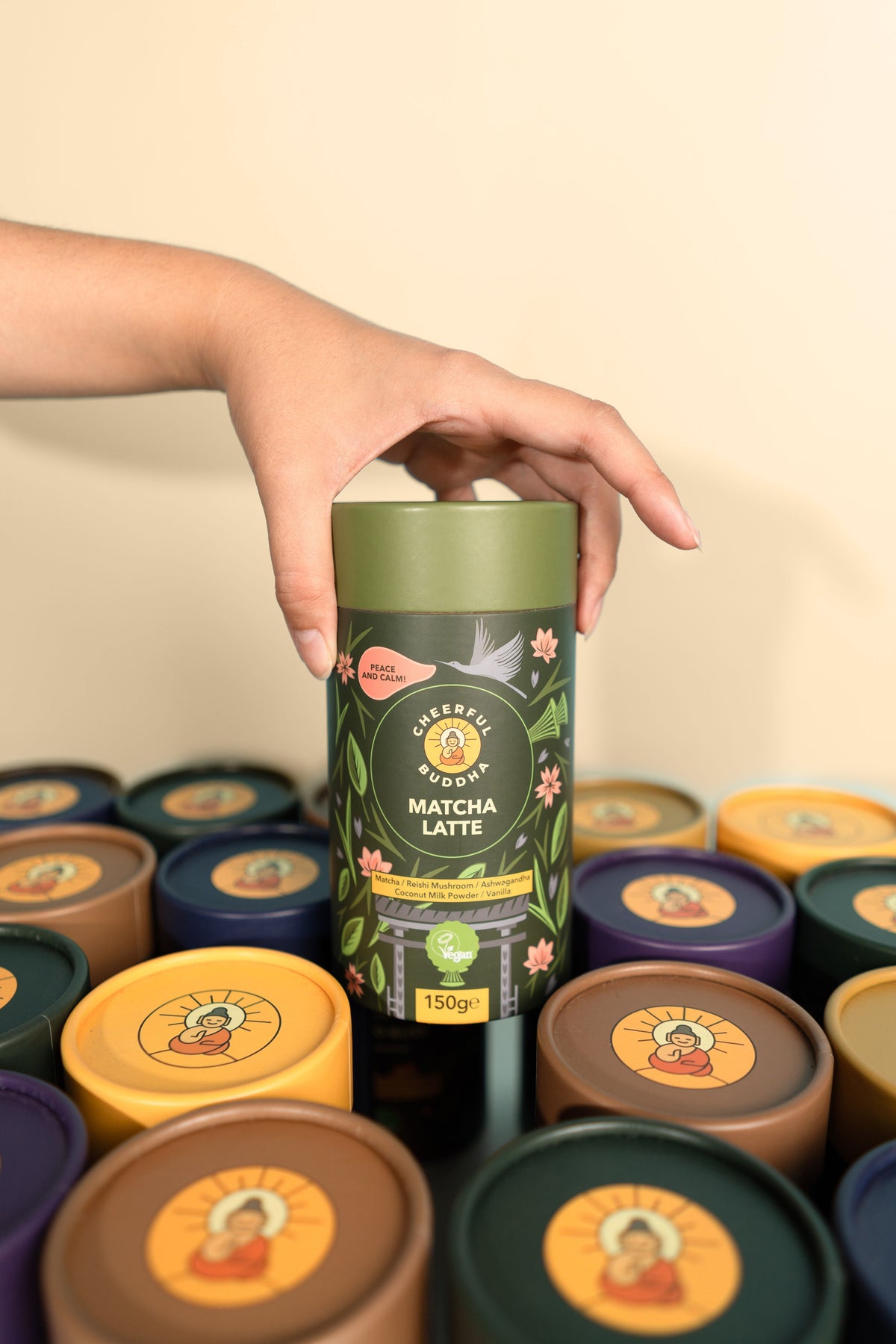
Always check the product label for guidance, as potency can vary between brands. If you’re new to Reishi or have health conditions, chat with your GP to find a dose that makes sense for your individual needs. For reference, our Cacao Bliss has 250mg of Lion’s Mane and Reishi fruiting body in every serving, and our Matcha Latte 500mg of organic Reishi fruiting body.
How to take Reishi mushrooms?
Adding Reishi to your daily routine is easy, but its bitter taste means you won’t be sprinkling it on your salad. Here are the most popular ways to enjoy Reishi:
- Powder: Stir a teaspoon into hot water, tea, or a smoothie. To mask the earthy flavour, blend it with sweet ingredients like honey or fruit.
- Capsules: Perfect for convenience, capsules let you take Reishi on the go without tasting it. Just swallow with water as part of your evening routine.
- Liquid Extracts: A few drops under your tongue or mixed into a drink.
- Cheerful Buddha Cacao Bliss and Matcha Latte: Reishi fruiting body, already blended into a warm drink. Cacao Bliss is a rich, vegan hot chocolate made with cacao, organic lucuma and organic cinnamon, with 250mg of Lion’s Mane and Reishi fruiting body in every serving, plus a source of vitamin D and B12, naturally from organic shiitake mushrooms. Our Matcha Latte is organic matcha with creamy organic coconut milk and a touch of vanilla, smooth and naturally sweet, with 500mg of organic Reishi fruiting body in every serving. Both contain some caffeine, from the cacao and the matcha, so if you’re sensitive to caffeine, have them earlier in the day.
Choose a method that fits your lifestyle and stick with it - patience is the key. Quality matters too, so check the label for exactly what’s in each serving. If you’re pregnant, breastfeeding, taking medication or have a health condition, check with your GP or pharmacist before taking Reishi.
Reishi and Ritual
Beyond the cup itself, Reishi can be part of how you wind down, through the power of ritual. Most sleep advice focuses on supplements or habits, but few explore how intentional practices can shape your evening.
Taking Reishi as part of a nightly ritual, whether stirring it into tea or pausing to breathe deeply while swallowing a capsule, can become a moment of mindfulness, like lighting a candle to signal the end of the day.
Embracing ritual taps into the power of intention: when the same cup comes at the same point each evening, the routine itself becomes your cue to wind down.
FAQ
Which mushroom is good for sleep?
We don’t make sleep claims for any mushroom, Reishi included. Reishi is the one most often linked with the evening, because of its long history in China and Japan.
Does Lion’s Mane mushroom help sleep?
It’s a functional mushroom traditionally associated with focus and mental clarity, so you may prefer it earlier in the day. If you’d like a Lion’s Mane cup later on, our organic Mint & Chamomile and organic Lemon & Ginger teas are naturally caffeine-free, with 500mg of Lion’s Mane fruiting body in every bag.
What are Reishi mushroom supplements good for?
We don’t make health claims for Reishi. People enjoy it in teas, hot chocolates and lattes, or as a powder, capsule or extract.
What are the side effects of Reishi mushroom?
Reishi is generally safe but can cause mild side effects like dry mouth, throat, or nasal passages. Some may experience digestive upset or dizziness. It may increase bleeding risk, so avoid it if you’re on blood thinners or have low platelet counts. Pregnant or breastfeeding women should consult a doctor before use.
Does reishi make you sleepy?
Reishi isn’t a sedative and isn’t sold as a sleeping aid, so we don’t claim it will make you sleepy.
Is reishi good for sleep?
Research into reishi and sleep is ongoing, but it isn’t enough for us to say reishi helps you sleep, so we don’t. Many people simply enjoy it as part of a calm evening routine.
Is reishi calming?
We don’t make claims about how reishi will make you feel, so we don’t call it calming.
When is the best time to take reishi?
Whenever suits you. Many people take it in the evening, before bed. Just check what it’s mixed with: our Cacao Bliss and Matcha Latte contain some caffeine.
Glossary of Terms
- Adaptogen: A natural substance that traditional practices associate with helping the body find its balance, like a thermostat keeping your home at the right temperature.
- Circadian Rhythm: Your body’s internal 24-hour clock that regulates sleep, wakefulness, and other daily processes, like an orchestra conductor keeping everything in sync.
- Triterpenes: Compounds found in Reishi.
- Polysaccharides: Complex sugars found in Reishi.
- Non-REM Sleep: The deep, restorative phase of sleep where your body repairs tissues and builds energy, like a computer running essential updates.
- REM Sleep: The dream-filled phase of sleep that supports memory and mood, like a creative studio for your brain.
- Gut-Brain Axis: The communication network between your gut and brain, like a two-way radio influencing mood and sleep.
👉 Reishi is a key ingredient in our Cacao Bliss.