Matcha vs Green Tea: What's the Difference?
Matcha vs green tea: same plant, very different cup. The real differences and which to choose.
Matcha and green tea come from the very same plant, yet they look, taste and feel like completely different drinks. If you've wondered whether matcha is just fancy green tea (and whether it's worth the extra), here's the honest, plain-English difference.
If you're brand new to it, start with our guide to what matcha is; otherwise, let's compare.
Same plant, different drink
Both matcha and green tea are made from *Camellia sinensis*, the tea plant. The difference is what happens to the leaf and how you drink it:
- Green tea is made by steeping whole or broken leaves in hot water, then removing (and discarding) the leaves. You drink the infusion.
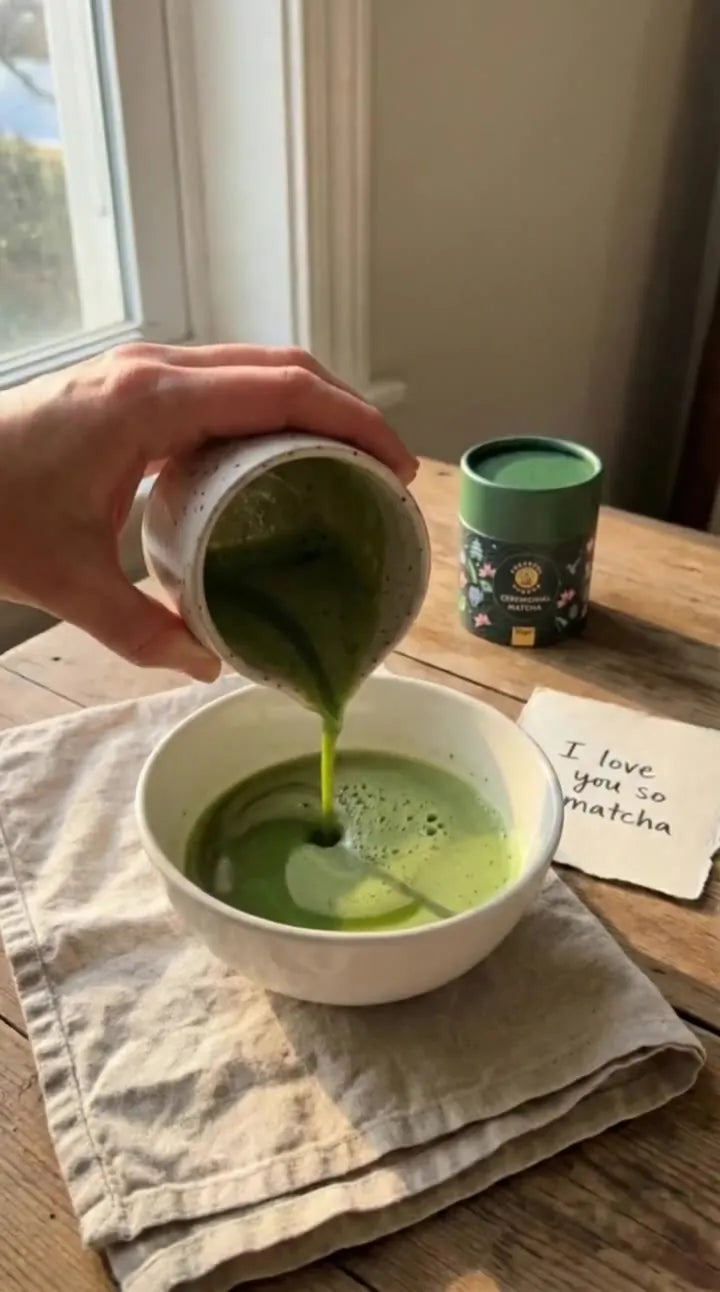
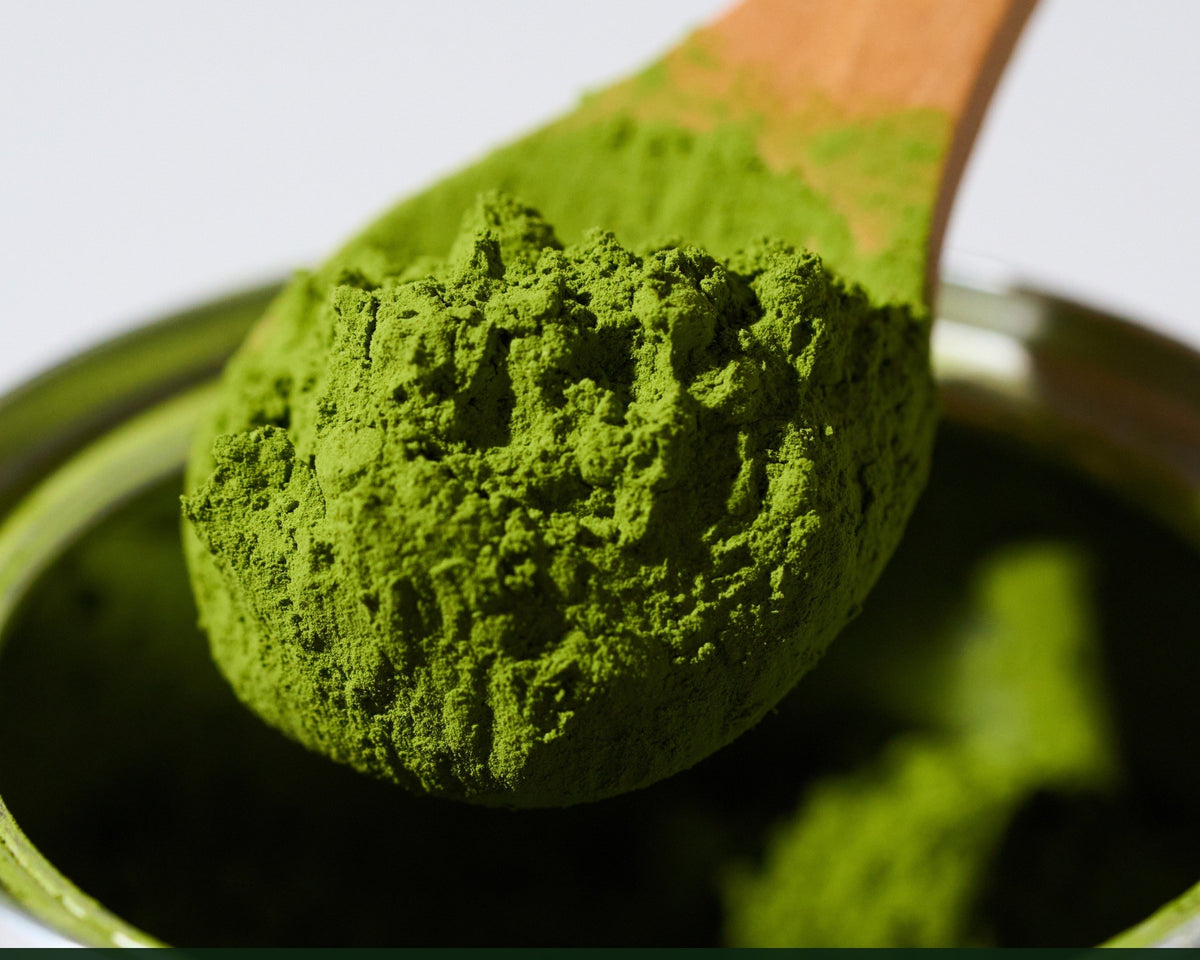
- Matcha is made by stone-grinding specially grown leaves into a fine powder, which you whisk into water and drink whole. Nothing is thrown away.
That single difference, drinking the whole leaf versus steeping and discarding it, is behind almost every other difference below.
How they're grown
Standard green tea is usually grown in full sun. Matcha leaves are shade-grown for a few weeks before harvest, which the plant responds to by producing more chlorophyll. That's why matcha is such a vivid green and has that smooth, almost savoury flavour, where everyday green tea is lighter and more grassy.
Taste

- Green tea: light, fresh and grassy, sometimes a little astringent.
- Matcha: fuller, smoother and naturally sweet, with a savoury "umami" note and a creamy texture when whisked well.
Good matcha should not be sharply bitter. If yours is, it's usually water that's too hot or a lower grade of leaf, not matcha itself (our how to make matcha guide covers getting it smooth).
Caffeine
Because you drink the whole ground leaf rather than a quick steep, a bowl of matcha typically carries more caffeine than a cup of green tea. How much depends on how much powder you use, but matcha generally sits between a strong green tea and a coffee. Both matcha and green tea also naturally contain L-theanine, an amino acid found in the tea leaf, and matcha, being the whole leaf, carries more of it.
If you're caffeine-sensitive, treat matcha like coffee and keep it to earlier in the day.
What you get in the cup
With green tea, the leaves are steeped and binned, so you only get what dissolves into the water. With matcha, you consume the entire leaf, so you're getting more of what's naturally in it. That's a difference in *what reaches your cup*, not a health claim, but it's the honest reason matcha is more intense in colour, flavour and caffeine.
What about antioxidants?
Green tea (matcha included) is a well-known source of plant compounds called catechins. Because matcha is the whole ground leaf rather than a steeped-and-discarded one, you consume more of what's in the leaf than you would from an infusion. We'll leave the specific health claims to the researchers, but that "whole leaf vs steeped" point is the honest, factual reason matcha is more concentrated.
A note on cost and value
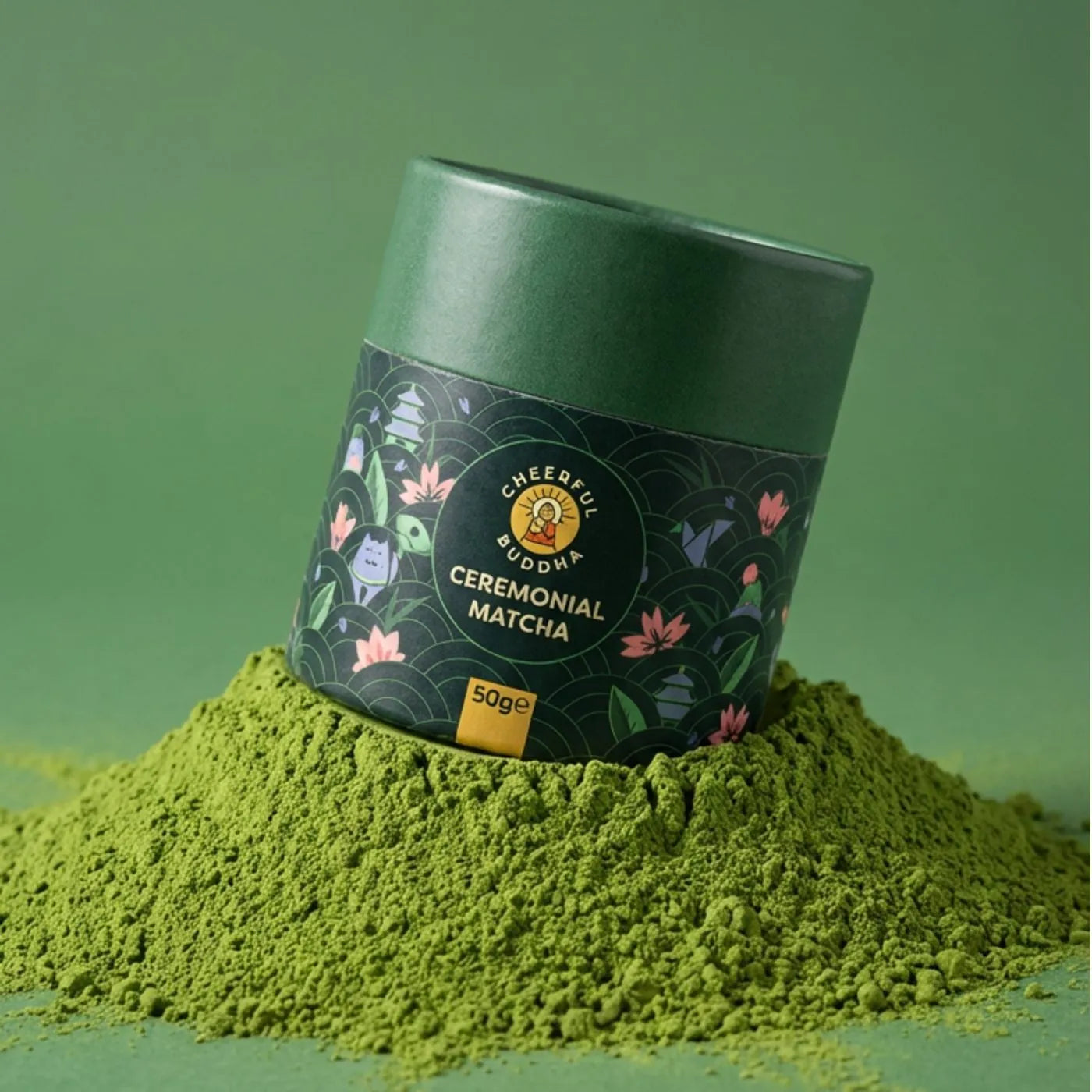
Matcha costs more than a box of green tea bags, and for good reason: it's shade-grown, first-harvested and stone-ground, which is far more labour-intensive. But a little goes a long way (1 to 2g a cup), so a 50g tube stretches to 25 to 30 drinks. Per cup, a good matcha is closer to a nice coffee than people expect.
Which should you choose?
It's not really a competition, they suit different moments:
- Green tea is light, easy and perfect for drinking through the day.
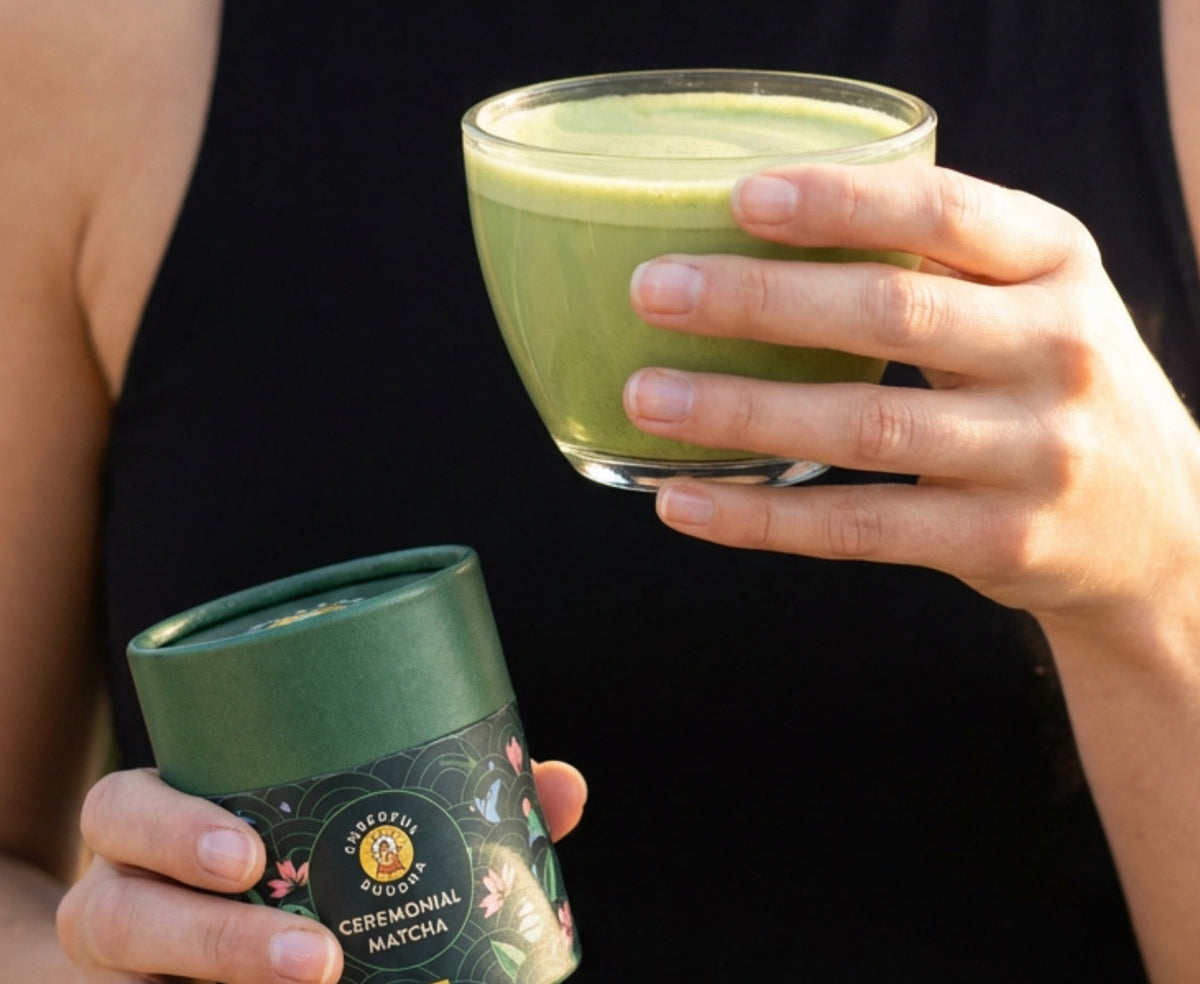
- Matcha is a richer, more deliberate cup, lovely as a morning ritual or a smooth latte.
Plenty of people drink both. If you'd like to try proper matcha, our single-ingredient, first-harvest Ceremonial Matcha from Shizuoka is smooth and naturally sweet, or our ready-blended Matcha Latte makes an easy creamy cup.
Matcha vs green tea FAQ
Is matcha healthier than green tea?
They come from the same plant, and the honest answer is that with matcha you drink the whole leaf rather than discarding it after steeping, so you get more of what's naturally in it. We don't make specific health claims beyond that, but it's why matcha is more concentrated.
Does matcha have more caffeine than green tea?
Usually, yes, because you're consuming the whole ground leaf rather than an infusion. The exact amount depends on how much matcha you use.
Is matcha just powdered green tea?
Not quite. It's a specially shade-grown, first-harvest green tea that's stone-ground into a fine powder, and it's whisked and drunk whole rather than steeped, which gives it its distinct colour and taste.
Can I drink matcha every day?
Many people enjoy a daily bowl. As with any caffeinated drink, listen to your own tolerance.